Loved my time here. Very creative dishes and likely the best karaage I’ve ever had. Cool vibes, and great staff. Truly recommended.
Overview
The first thing you notice when you step down into Lanterne is how quietly confident the place feels. Tucked beneath street level at Japan, 〒151-0066 Tokyo, Shibuya, Nishihara, 3 Chome−5−3 ルネ代々木上原 B1F, it doesn’t try to grab attention. Instead, it lets curiosity do the work. I remember the first time I came here after a recommendation from a chef friend who lives nearby. He described it as hidden basement spot energy with food that rewards patience, and that turned out to be spot on.
The dining room is compact and calm, with warm lighting and just enough space between tables to make conversation easy. It feels closer to a neighborhood bistro than a destination restaurant, which is part of the charm. In a city where over 160,000 restaurants operate according to Tokyo Metropolitan Government data, places that feel personal tend to stand out. This one does, not by being loud, but by being consistent.
The menu leans European, with clear French roots, but it adapts naturally to Japanese ingredients and seasons. On one visit, the appetizer featured slow-cooked vegetables sourced from local suppliers, treated with the same care you’d expect in a classical kitchen. A server explained how the chef adjusts dishes weekly based on availability, which aligns with how many respected kitchens in Tokyo operate. The Michelin Guide has repeatedly noted that seasonality is one of the defining traits of high-quality dining in the city, and that philosophy is very present here.
What stood out most to me was how deliberate everything felt. The pacing between courses, the temperature of the plates, even the way bread was refreshed mid-meal without being asked. These details don’t happen by accident. They come from experience. According to culinary training standards set by organizations like Le Cordon Bleu Japan, repetition and process are key to consistency, and you can sense that discipline in how dishes arrive at the table.
The main courses are comforting without being predictable. One evening, a perfectly cooked protein arrived with a sauce that had clearly been reduced patiently, layered with flavor rather than salt. Another visit focused more on seafood, handled simply to let texture and freshness lead. This kind of balance is hard to pull off, especially in a small kitchen, and it explains why reviews from regulars often mention reliability as much as creativity.
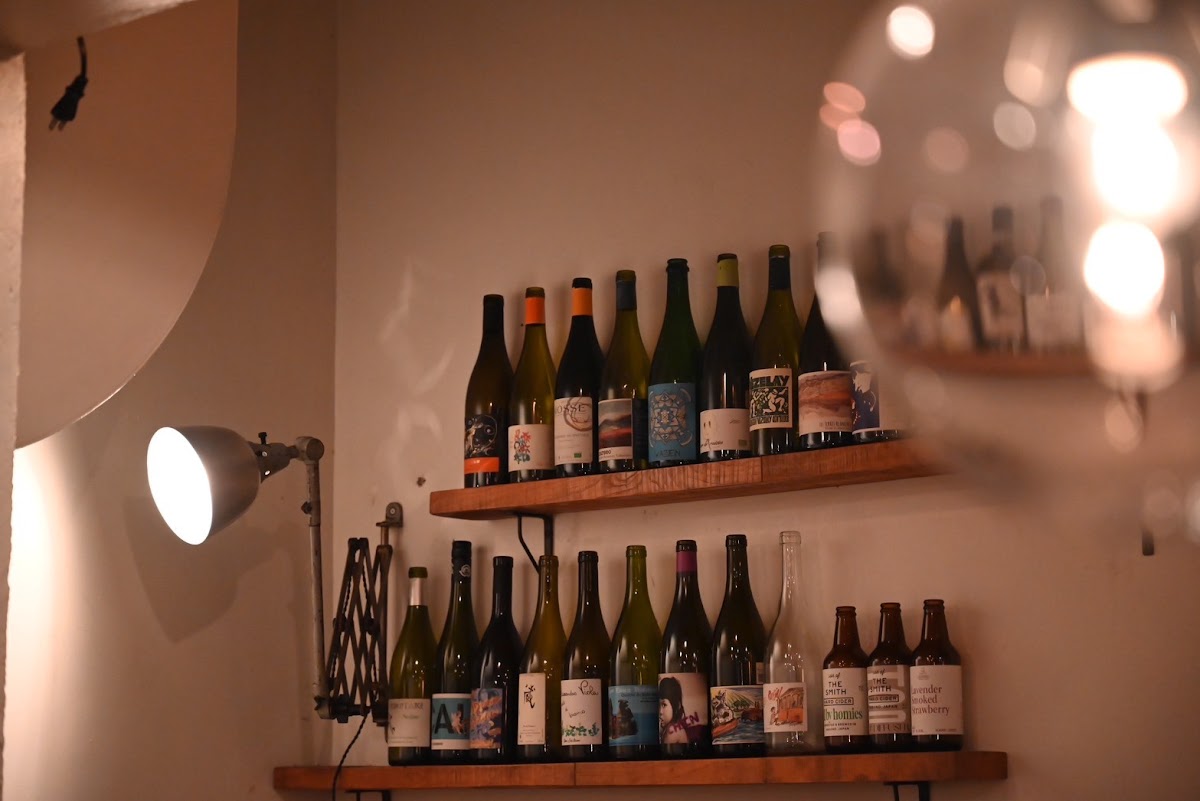
Wine plays a supporting role rather than stealing the spotlight. The selection isn’t massive, but it’s thoughtful. A staff member once walked me through why a particular bottle paired better with acidity rather than richness, breaking it down in a way that made sense even without deep wine knowledge. That ability to explain without lecturing builds trust, especially for diners who want to learn without feeling tested.
Location matters too. Nishihara sits just far enough from major stations to feel local, yet close enough to draw people who are willing to walk for a good meal. Many diners seem to be repeat visitors, which says a lot. In my experience, restaurants that rely on locals rather than foot traffic tend to maintain higher standards because familiarity brings accountability.
There are limits to what one place can offer. Seating is limited, and walk-ins aren’t always possible during peak hours. The menu doesn’t cater to every dietary preference, and while staff try to accommodate, flexibility depends on the day. Still, the transparency around these constraints adds to the sense that what you’re getting here is honest.
By the time dessert arrives, often something understated and seasonal, the appeal becomes clear. This isn’t about trends or spectacle. It’s about technique, rhythm, and trust built over time. That combination explains why so many quiet recommendations lead back to the same address and why this restaurant continues to earn steady, positive reviews from people who value substance over noise.
Good to know
Service options
✓ Takeaway ✓ Dine-in ✓ DeliveryPopular for
✓ DinnerAccessibility
✓ Wheelchair-accessible car park ✓ Wheelchair-accessible entrance ✓ Wheelchair-accessible seatingOfferings
✓ Alcohol ✓ Beer ✓ Cocktails ✓ Food at bar ✓ Happy-hour drinks ✓ Late-night food ✓ Quick bite ✓ Small plates ✓ Spirits ✓ WineDining options
✓ Dinner ✓ Table serviceAmenities
✓ ToiletAtmosphere
✓ Casual ✓ Cosy ✓ TrendyCrowd
✓ GroupsPlanning
✓ Dinner reservations recommended ✓ Accepts reservationsPayments
✓ au PAY ✓ Credit cards ✓ dBarai ✓ Debit cards ✓ PayPay ✓ Rakuten Pay ✓ Transit IC cards ✓ Credit cardsPhotos
1 / 4
Location
Reviews
- No ratings yet 195 reviews
They provide you really good fried chicken, also other small dishes but enough.
The go to place for Japanese fried chicken (aka karaage). Karaagegasm everytime.
Casual bistro-ish izakaya. The fried chicken is nice with beer and whiskey Soda:) We can try Japanese dishes at good price.
Fantastic food and great hospitality. I like the atmosphere especially the flowers on their tables.
The food and drinks here are fantastic, as well as the cool interior design.